RV Parking in Jacksonville, FL: What to Know Before You Park Your Vehicle for the Season
If you need to store an RV in Jacksonville while you travel, deploy, or just free up space at home, look for fenced, monitored parking with flexible month-to-month terms, not an open lot with no oversight. Jacksonville Self Storage on Lem Turner Road offers dedicated car storage with a resident manager on-site and no long-term contract required.
That moment usually shows up one of two ways. Either you're heading out of town for weeks at a time and don't want a vehicle sitting untouched in the driveway, or your extra vehicle has simply outgrown your garage. Around Jacksonville, both situations come up constantly. Between the number of families who travel for the holidays every October through December and the sizable military community tied to NAS Jacksonville and Naval Station Mayport, there's a steady stream of people who need somewhere safe to leave a vehicle for a stretch of time.
There's also the problem of seasonal storage. Maybe you travel more in the summer months, so that RV isn’t getting used and therefore just sitting for the rest of the year. Maybe a parent moved in and their RV came with them, but there's only room in the driveway for so much. Maybe you inherited an RV and you're not ready to sell but definitely don't need to park in front of the house every day. None of these are emergencies, but all of them turn into the same low-grade frustration of a vehicle taking up space it shouldn't, with no good answer for where else it should go.
What actually happens when you leave an RV sitting out
An RV that sits in a driveway or an open lot for weeks doesn't just wait patiently. Battery charge drains overtime, and tires develop flat spots from sitting in one position too long. In Northeast Florida, direct sun bakes paint and interior trim faster than most people expect, and afternoon thunderstorms through the fall push water into any gap in a door seal or trunk lid that isn't sealing quite right. If a vehicle sits close enough to the coast, salt air speeds up corrosion on exposed metal, which is a real concern for anyone parking near the St. Johns River or closer to the beaches. None of this means you need to sell the car or ask a neighbor to babysit it. It means you need a spot that's actually built for parking a vehicle long-term, which is different from just having open ground to put it on.
Some HOAs also restrict how long a vehicle can sit unmoved on a residential street, and a few flag anything that looks obviously stored rather than driven. That's an easy problem to avoid entirely by moving the RV to a dedicated storage lot instead of testing how strict your HOA actually is.
There's also the simple issue of what a stored RV does to the rest of your property. A vehicle that isn't moving becomes a landing spot for pine needles, oak pollen, and whatever else falls out of the trees in your yard, and it's not unusual for an RV left alone for a couple of months to attract wasps building a nest in the wheel well, under the hood, or even inside. None of that is dangerous, but it's an annoying surprise to discover the day you actually need to drive the car again.
What to look for in a car storage facility
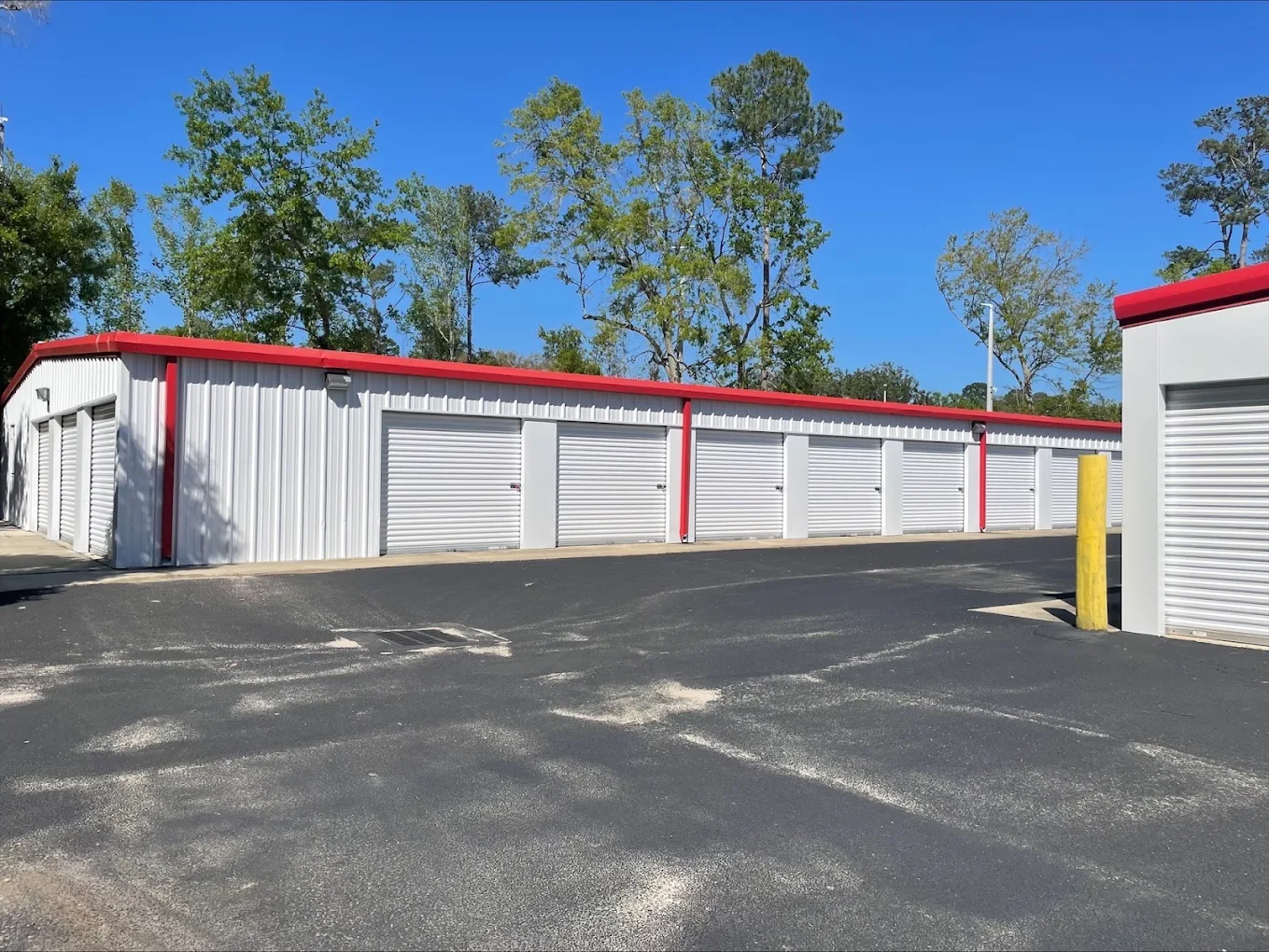
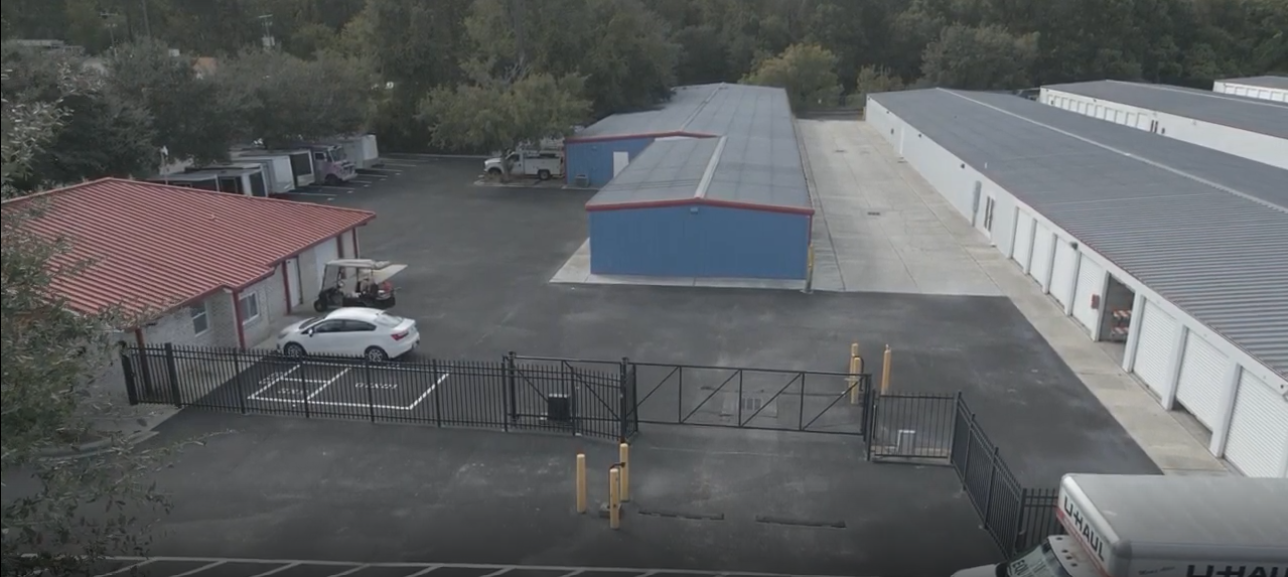
Not every storage lot is equal. A few things actually matter. Is the lot fenced and gated, is there lighting at night, is there someone on-site who would notice if something looked off, and is the surface something other than loose gravel that tracks mud onto your tires every time it rains? At Jacksonville Self Storage, vehicle parking sits within a fenced facility with a resident manager living on the property, which means there's a real person keeping an eye on things day to day, not just a camera pointed at an empty lot.
It's also worth asking directly how the facility handles day-to-day oversight, rather than assuming a fence and a gate code are enough on their own. A resident manager living on the property means someone is actually around most hours of the day, not just checking in occasionally. That's a meaningfully different level of attention than a facility that's staffed only during limited office hours and otherwise left to a camera system.
If you're storing an RV for a deployment or PCS move
This region has a large enough active-duty and military family population that "I'm about to deploy and need somewhere to put my camper or RV for six months" is a genuinely common situation, not a niche one. With NAS Jacksonville and Naval Station Mayport both nearby, Jacksonville Self Storage sees this pattern regularly, whether it's a sailor headed out on deployment, a family doing a PCS move across the country, or someone temporarily relocating for training. Month-to-month leasing matters most here, since nobody wants to sign a year-long contract for a car that might come back out of storage in four months instead of twelve. Being able to extend, shorten, or end the lease without renegotiating a contract is exactly the kind of flexibility that a deployment timeline demands.
Orders don't always come with much notice, and plans change even after they do. A deployment gets extended, a PCS date moves up, or a family decides at the last minute to keep an RV in Jacksonville instead of shipping it along with a move. Month-to-month terms mean none of that turns into a paperwork problem. You're not stuck explaining a change of plans to break a lease early, and you're not paying for months you don't end up needing.
Picking the right size for what you're storing
Vehicle storage needs vary more than people expect. A daily sedan takes up far less room than a full-size truck, and if you're parking a boat or an RV alongside the car, or storing a second vehicle at the same time, the space math changes fast. The facility's storage size guide breaks down what actually fits in each unit type, which is worth checking before assuming you need more room than you do. Vehicle and RV parking spots start around 10x18, which comfortably fits most cars and trucks with room to spare, while larger spaces handle boats, RVs, and multiple vehicles at once.
If you're storing more than one vehicle, or a car alongside a boat or trailer, it's worth walking through the sizing conversation with staff directly rather than guessing. Overestimating the space you need means paying for square footage that just sits empty, and underestimating it means a cramped fit that makes it harder to get the vehicle in and out cleanly. For anyone parking a larger rig instead of a car, the facility's RV and truck parking guide covers that side of things in more detail.
Getting there is part of the equation too
Jacksonville Self Storage sits on the west side of Lem Turner Road next to Save-A-Lot, with easy access from both I-95 and I-295. That matters more than it sounds like for car storage specifically, since dropping off a vehicle before a flight out of Jacksonville International, or picking one back up right after a long drive home for the holidays, is a lot less of a hassle when the facility isn't tucked away somewhere hard to reach. Drivers coming from Yulee or Orange Park use those same interstate connections to get to the Lem Turner Road location without cutting across town.
For anyone who's more comfortable communicating in Spanish, Jacksonville Self Storage has bilingual staff on hand, which makes working out sizing questions or lease details a lot less stressful for families who'd rather not handle that conversation in a second language.
A few things worth doing before you park it
However long the RV or car is going to sit, a little prep at drop-off makes a real difference. Topping off the gas tank most of the way helps prevent condensation from building up in an empty tank, and a fresh oil change before storage means the oil isn't sitting around breaking down for months. If the RV or vehicle will be parked outdoors rather than in a climate-controlled space, a breathable car cover keeps pollen, sap, and bird droppings off the paint without trapping moisture underneath the way a plastic tarp would. Disconnecting the battery, or at least checking that it's fully charged going in, avoids the common surprise of coming back to an RV that won't start.
None of this takes more than twenty minutes, and it's the difference between pulling the car out and driving off versus needing a jump start and a wash before it's actually usable again.
Frequently Asked Questions
How much does it cost to store an RV in Jacksonville? Pricing depends on whether you need a covered space, a climate-controlled unit, or open-air parking, along with the size of the vehicle. Current rates and any active specials change often, so the most accurate answer is a quick call or a look at the storage units and pricing page.
Do I need a covered or climate-controlled unit to store a vehicle in Florida? It's not required, but it does make a real difference. Florida sun, humidity, and salt air are harder on an unprotected vehicle than most people expect, so a covered or climate-controlled space is worth it for anything staying put longer than a few weeks.
Can I access my stored vehicle whenever I need to? Access hours run 24 hours a day, seven days a week, so an early flight home or a late arrival doesn't leave you stuck waiting for the office to open
Is there a minimum lease term for vehicle storage? No. Jacksonville Self Storage rents month-to-month with no long-term contract, which is exactly what most people storing a vehicle for a temporary situation actually need.
Add us as a preferred source on Google and our storage guides and local tips will show up more often when you search for help in Jacksonville and the surrounding area.
If you need somewhere secure to park a car for a few weeks or several months, reach out to Jacksonville Self Storage or call (904) 747-8340 to talk through sizing and availability.
Need Storage in Jacksonville?
Climate-controlled units, drive-up access, and 24/7 entry. Rent online in minutes.